
Slaughterhouse Wastewater and Effluent Treatment | Methods, Challenges, and Applications of Filter Press
Filter Press Is the Key to Optimal Slaughterhouse Wastewater Treatment.
VisitCount 103
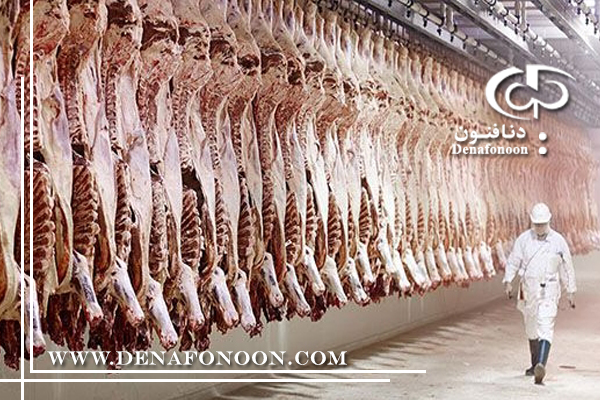
Water is the lifeblood of various industries; however, in slaughterhouses, the combination of water with blood, fat, protein, organic matter, and other pollutants creates wastewater with a high pollution load. For this reason, slaughterhouse wastewater treatment is considered one of the most important aspects of wastewater management in these industrial facilities.
Slaughterhouse wastewater, due to its high concentration of organic matter, fats, and proteins, as well as the potential presence of pathogens, can pose a serious threat to water resources and the environment if improperly treated and disposed of. Therefore, the design of an appropriate treatment system should be carried out in accordance with the characteristics of the wastewater and the different stages of the treatment process. In this regard, equipment such as filter presses plays an important role in the sludge dewatering stage by separating solids from liquids, reducing sludge volume, and optimizing the slaughterhouse wastewater management process.
Slaughterhouse Wastewater Treatment; Its Necessity and Importance
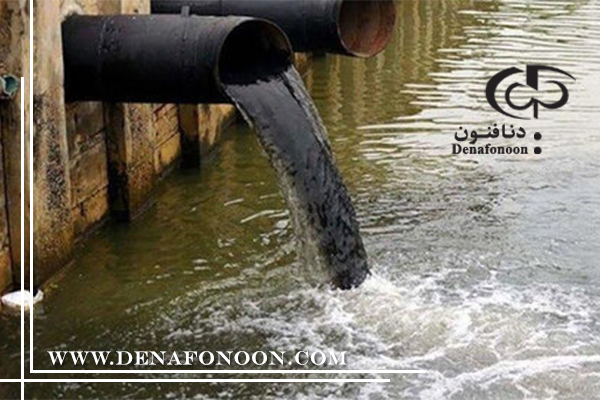
Wastewater from livestock and poultry slaughterhouses is one of the serious sources of pollution and a threat to environmental health. Slaughterhouse wastewater, due to its concentration of organic matter, fats and oils, proteins, nitrogenous compounds, and blood, is among the most polluted and complex industrial wastewaters, and its discharge into rivers and groundwater leads to serious damage. Therefore, the design and implementation of an efficient wastewater treatment system, which not only treats toxic and contaminated water but also returns it to the industrial cycle, is considered a necessity for the proper management of slaughterhouse wastewater and the protection of the environment.
Characteristics and Structure of Slaughterhouse Wastewater
As mentioned earlier, due to the non-degradable nature and high pollution load of slaughterhouse wastewater, proper management and the use of engineered solutions in selecting the most appropriate treatment method are of great importance. In this regard, the first step in managing slaughterhouse wastewater is reducing wastewater generation, and then the use of specialized equipment such as filter presses as part of the wastewater treatment system, can play an effective role in reducing pollution, saving water consumption, and optimizing the treatment process. The application of these solutions, in addition to improving the quality of the final output, will increase the efficiency of the slaughterhouse wastewater treatment system.

Stages of Slaughterhouse Wastewater Treatment
In the slaughterhouse wastewater treatment system, the filter press is usually used at the sludge dewatering stage. In this process, the sludge produced from different treatment stages passes under pressure through filtration plates and cloths, and a significant portion of its water is separated. Ultimately, the sludge exits the machine in the form of a filter cake with lower moisture content. In this way, the volume of sludge is reduced, and its transportation, storage, and disposal are carried out with less cost and complexity. In this process, the sludge produced from different treatment stages undergoes dewatering, and ultimately a solid cake with a low moisture content is produced. This method is generally implemented at three different levels in slaughterhouses, each of which plays a specific role in improving the performance of the treatment system:
1. Preliminary (Physical)
At the initial stage, all solid and large components are separated from the wastewater. Common operations for removing suspended solids from wastewater include conventional screens, filters, or sieves. Coarse particles are separated from the wastewater stream through the screening process to prevent impurities and waste resulting from slaughtering from entering subsequent equipment. Some of these materials, particularly hair and feathers, have economic value in some slaughterhouses and, after separation, enter the recycling cycle. After this stage is completed, the wastewater is directed to the grease and oil removal section to remove the fats and oils present.
2. Primary (Chemical)
In the second stage of treatment, the main focus is on reducing suspended solids, fats, and part of the organic load present in the wastewater. This objective is achieved through processes such as coagulation and flocculation using chemical or electrical methods, as well as dissolved air flotation (DAF). One of the common treatment methods, air flotation, is considered a common and effective option, particularly for reducing fats present in slaughterhouse wastewater.
Next, rotating screens and compacting equipment are used to transfer, dewater, and compact the solids remaining from the previous stages so that, while reducing their moisture and volume, it becomes possible to dispose of them as solid waste. Other pretreatment operations at this stage include the use of adsorbent materials, homogenization or equalization, flotation, and sedimentation.
3. Secondary (Biological)
Secondary or biological treatment is the most important part of slaughterhouse wastewater treatment, which is required to remove the remaining dissolved organic compounds after primary treatment. It includes aerobic and anaerobic digestion methods, used separately or in combination depending on the type of wastewater. This method is used to eliminate organic matter and ultimately pathogens from slaughterhouse wastewater effluent by using microorganisms.
Anaerobic digestion is preferred over other biological treatment methods due to its suitable effect on the treatment of high-strength slaughterhouse wastewater. Anaerobic treatment is a method used in industrial wastewater treatment in which organic compounds are decomposed by anaerobic bacteria in the absence of oxygen into carbon dioxide and methane. These systems have advantages such as low sludge production, minimal energy requirements, with the possibility of resource recovery, and high removal of organic compounds.
In aerobic systems, aerobic bacteria are used to remove organic matter in the presence of oxygen. The treatment time and amount of oxygen required for treatment increase as the strength of the wastewater increases. This method is usually used for final disinfection and nutrient removal after the use of physical-chemical or anaerobic methods.
In this section, activated or chemical sludge is produced (resulting from the addition of coagulants such as alum or polyelectrolytes).
The aerobic process is used for nutrient removal and further treatment after primary treatment. Among the advantages of this method are low odor production, rapid biological growth, and rapid adjustment to temperature changes.
To achieve maximum efficiency in industrial wastewater treatment, a combination of anaerobic and aerobic processes is essential.
Sludge Challenge in Slaughterhouse Wastewater Treatment
Sludge resulting from wastewater treatment is important as a waste material in the wastewater treatment system. This is because sludge resulting from the treatment of slaughterhouse wastewater contains pollutants such as animal pathogens and pathogens that can be transmitted from livestock to humans. Wastewater sludge also generally contains heavy metals that can remain in the soil and create a hazardous situation for humans, animals, and plants.
In advanced slaughterhouse wastewater treatment processes, the use of equipment such as filter presses at the sludge dewatering stage, as one of the vital components of the treatment system, plays a decisive role in reducing the moisture and volume of sludge. The use of this equipment, in addition to optimizing waste management, provides multiple benefits for the overall performance of the slaughterhouse wastewater treatment system.
Role of Filter Press in Slaughterhouse Wastewater Treatment
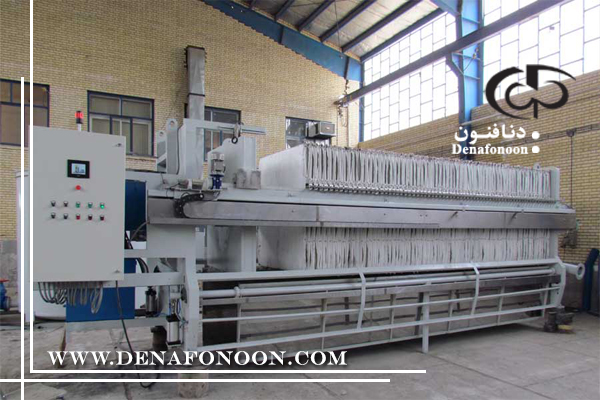
A filter press is one of the pieces of equipment used in the sludge management and dewatering section of slaughterhouse wastewater treatment systems. After various treatment processes have been completed and sludge has been produced, this equipment applies pressure to separate the water contained in the sludge from the solid portion and removes it from the system in the form of a more compact filter cake.
The use of a filter press can reduce sludge volume, lower transportation and disposal costs, and improve the management of waste generated from treatment. However, the selection of the capacity and type of filter press should be based on the wastewater flow rate, the amount and type of sludge, the percentage of solids, and the operating conditions of each slaughterhouse.
Advantages of Using a Filter Press in the Slaughterhouse Wastewater Treatment System
Selecting a filter press as part of the slaughterhouse wastewater treatment process ensures a range of operational and economic benefits:
· Revolution in waste volume reduction: By effectively dewatering the sludge, its volume is reduced by approximately 70 to 90 percent, which directly reduces transportation and final disposal costs.
· Return on investment through water recovery: The water separated during the sludge dewatering process can be returned to appropriate sections of the treatment system; however, the possibility of reusing the water depends on the quality of the output and the design of the entire treatment system.
· Compliance with environmental standards: Effective removal of suspended solids and part of the organic matter provides the necessary conditions for compliance with the standards of the Iranian Department of Environment.
· Reduced energy consumption: Compared with methods such as centrifuges, filter presses consume less energy and are considered a more economically suitable option from an operational perspective.
· Special compatibility with slaughterhouse sludge characteristics: Depending on the type of sludge, solids content, and physical and chemical characteristics of the wastewater, a filter press can be used for slaughterhouse sludge dewatering. The selection of filter cloth, plates, operating pressure, and equipment capacity should be carried out according to the actual conditions of the project.
Selecting the Right Filter Press for Slaughterhouse Wastewater Treatment
The characteristics of an efficient filter press include the following:
-
Low energy consumption
-
Reduced water consumption in the production cycle
-
Cost savings from production line downtime
-
Production of dry cake
-
Compatibility with fatty and protein-rich sludges
-
Warranty and after-sales services
-
High efficiency
-
Advanced automation
-
Compliance with environmental standards
Conclusion
Industrial wastewater and effluent treatment, especially in slaughterhouses, is a specialized and multi-stage process that requires specialized and engineering-based design, as well as proper and suitable equipment. Among all stages of the wastewater treatment system, managing sludge dewatering at the treatment plant and wastewater treatment is considered one of the key sections. Using the right filter press is an effective solution for reducing costs and increasing efficiency in slaughterhouse wastewater treatment.
If you intend to upgrade or optimize your slaughterhouse wastewater treatment system, the specialized consultants at DenaFonoon Company are ready to provide services with specialized solutions tailored to your project's needs.